
Archaeology in the Colorado Desert
To keep you current as we explore the past.
Welcome to the Colorado Desert District
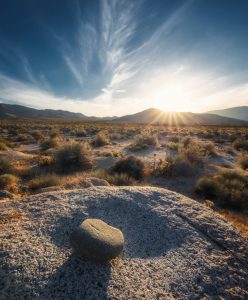
Photo credit: Chris Maust
The Colorado Desert District encompasses the Anza-Borrego Desert State Park, Cuyamaca Rancho State Park and Palomar Mountain State Park — and covers approximately 630,000 acres.
Within these parks, thousands of prehistoric and historic cultural resources have been recorded, including evidence of what may be 10,000 years of occupation by Native peoples. The many objects left behind, such as bedrock grinding mortars, scatters of ceramics, stone tools, agave roasting pits, along with impressions on the landscape, provide clues as to what life was like long ago.
We also see evidence of those who arrived during the 1700s and later: the Spanish, the Mexicans, and the miners, ranchers, military and other travelers.
The unique and significant archaeological sites and features in these parks provide a glimpse into the rich cultural heritage of the area.
Learn MoreThe State Parks
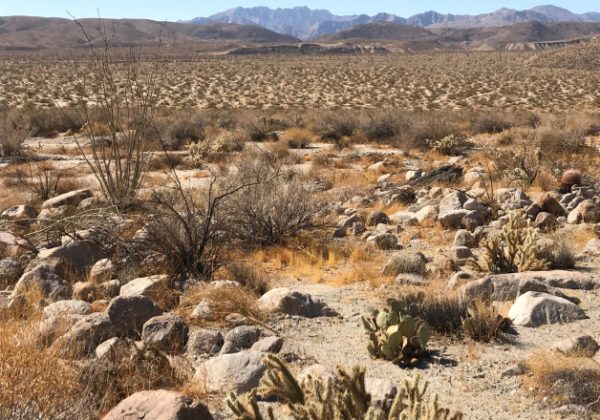
Anza-Borrego Desert State Park
Renowned for its big horn sheep and ocotillo forests, the roughly 600,000-acre park is the largest of the California State Parks and features the acclaimed visitor center.
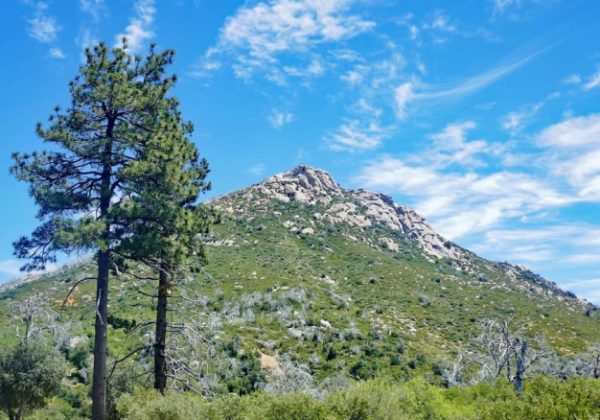
Cuyamaca Rancho State Park
Forested hillsides, meadows, creeks, streams and striking geological formations hold clear evidence of past occupations within the nearly 25,000-acre park.
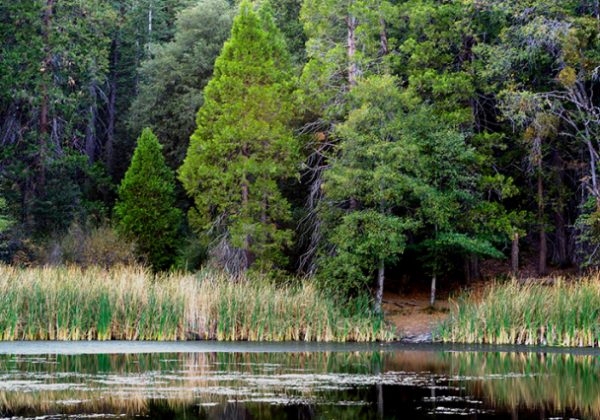
Palomar Mountain State Park
Nearly a mile high with pine, fir and cedar forests on the west side of Palomar Mountain, this 1,862-acre park also features a historic apple orchard.
Cultural Importance
Because of the vastness of our park, thousands of acres of land within the Colorado Rock circles in the desert.Desert District have not yet been surveyed for cultural traces. Colorado Desert Archaeological Society (CDAS) members work in all sections of the park to complete surveys, document discovered sites, curate and conserve the District’s artifact and archival collections, and protect cultural resources from the many impacts that are associated with public land use.

OLYMPUS DIGITAL CAMERA